

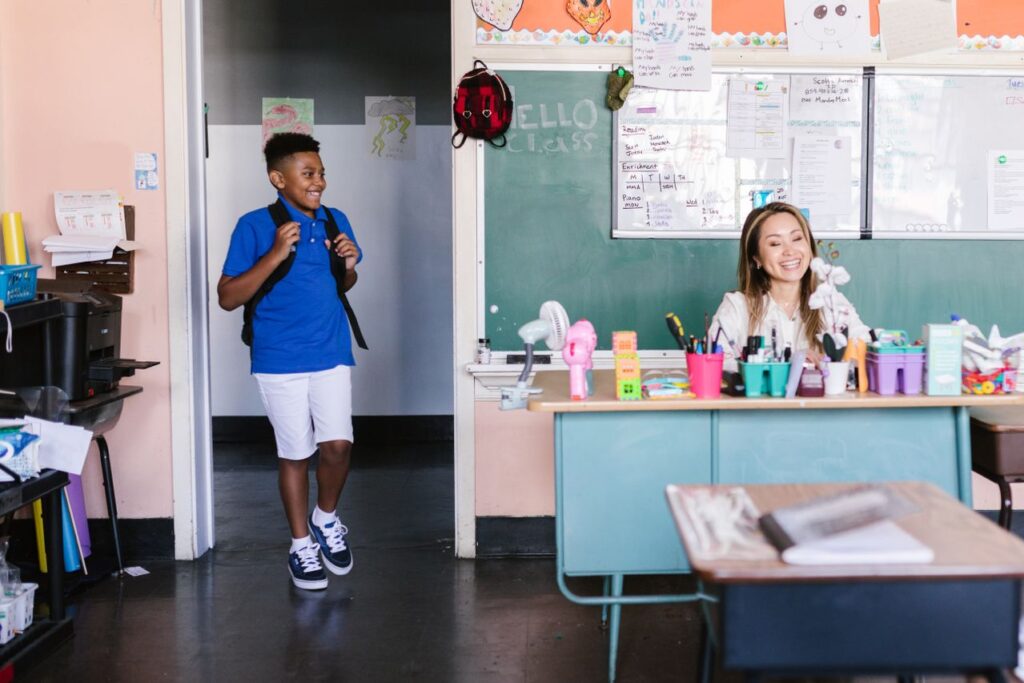
It’s August, and we are aaaaall thinking about it…..it’s almost back-to-school time.
Every new school year brings opportunities for growth, new experiences, and fresh beginnings. It can also bring uncertainty- especially for neurodivergent children. Changes in routine, unfamiliar teachers, new classmates, different classroom expectations, and increased academic demands can feel overwhelming.
One of the greatest gifts adults can give children isn’t a perfectly organized backpack or a completed summer workbook. It’s the confidence that they are capable, supported, and understood.
Every child is unique, but the following strategies can help children approach the new school year with greater confidence, connection, and emotional readiness to CRUSH the school year.
1). Build Connections with Your Child’s Support Team
A strong partnership between home and school is huge!
Before the school year begins, connect with your child’s team of teachers at school to see if you can schedule a time to visit the school. Having an opportunity for your child to see the classroom, learn about the daily schedule and routines, along with meeting the teachers, is so beneficial for not only easing anxiety, but to help build a trusting relationship right from the start.
The school-based team should be in the know about your child’s strengths, needs, and what specific accommodations have been successful in the past. Starting the year with open communication and strong relationships creates a positive foundation for a successful school year.
2). Create Predictability
For many neurodivergent children, knowing what to expect can make all the difference. While it’s impossible to prepare for every situation, creating some predictability before school starts can help ease the transition.
Consider creating a visual schedule or checklist with your child- and let them help design it in their own cool way! When kids have ownership of their schedule, they’re much more likely to use it.
The same idea applies to older students in middle and high school. Helping them develop an organization system they’ll actually use can make it easier to keep track of assignments, tests, quizzes, and extracurricular activities as the school year gets underway.
3). Focus on Strengths
It’s easy for back-to-school conversations to revolve around challenges- finishing homework, staying organized, keeping up with grades. While these are important and deserve thoughtful planning, it’s just as important to remind your kids what they do amazing with in school and with extracurricular activities as well.
Take time to celebrate their strengths! Whether it’s creativity, kindness, curiosity, problem-solving, humor, perseverance, or the unique way they see the world, these qualities matter.
Remind your child that everyone has areas where they thrive and areas where they need support. When kids recognize their own strengths, they’re more likely to approach new challenges with confidence and develop the belief that they are capable of having a successful school year.
4). Make Time for Things They LOVE! (That Aren’t School-Related).
This is SO important.
As the school year begins, kids need time to do the things they love outside of academics. These activities provide an important outlet for managing stress, reducing back-to-school anxiety, and helping kids feel balanced.
Whether it’s sports, art, music, clubs, hobbies, or just hanging out with friends, these experiences allow children to feel successful and confident in areas where they naturally shine.
When children regularly participate in activities where they feel capable, connected, and joyful, that confidence often carries over into the classroom.
5). Celebrate Progress and Victories Along the Way
Celebrate aaaalll the progress along the way!
Maybe it’s walking into school with a little less anxiety, adjusting to a new routine, asking for help when they need it, or doing something new that feels hard. These moments may seem small, but they’re actually the BIG wins that build resilience and confidence over time.
Confidence flourishes when children feel connected, encouraged, and accepted for who they are. Through supportive relationships, predictable routines, and opportunities to experience success, children begin to believe in themselves and discover what they’re truly capable of.
As parents, caregivers, and educators, we have the opportunity to help kids start the school year knowing they don’t have to have everything figured out. They simply need to know they are supported, understood, and capable of growing.
Here’s to the 2026-2027 school year- may it be filled with growth, confidence, connection, brave moments, big wins, and lots of reasons to celebrate your kids CRUSHING the school year! Let’s GooOoooo!